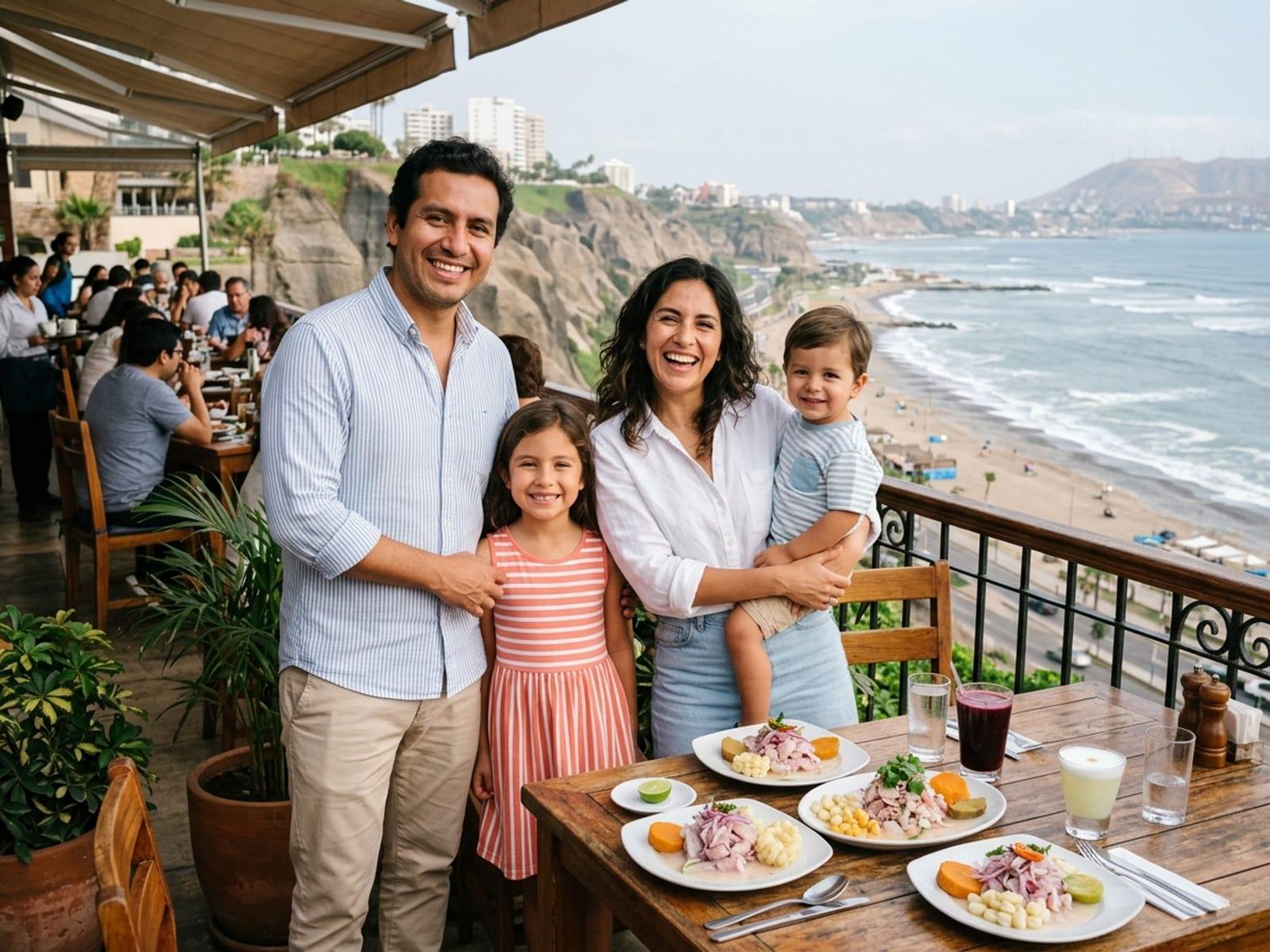
Ceviche, Peru's national dish of raw white fish briefly cured in lime juice and seasoned with red onion, chili and salt, was added to UNESCO's Intangible Cultural Heritage list in 2023. In Lima, the easiest place to try it is a cevichería, a ceviche specialist, where it comes year-round with boiled corn and sweet potato on the side. The fish is still raw, so infants and pregnant women should skip it, and children should start with a small taste or stick to the corn and sweet potato.
Origins disputed, raised on Peru's coast
There are many theories about where ceviche was born. In Peru, one well-known idea is that the Moche people, who flourished on the north coast, cured fish not with lime but with the juice of tumbo, a relative of the passion fruit. Another holds that in Inca times chicha, a fermented corn drink, was used. Limes and other citrus fruits were brought by the Spanish, which has led some to point to the influence of Moorish cooking by way of Spain. Ecuador and other countries along the Pacific coast also have their own ceviches.
What is certain is that the dish took root in Peru as a national food. The Peruvian government declared ceviche part of the national cultural heritage in 2004, which paved the way for the UNESCO listing in 2023. The Spanish spelling varies too: cebiche, ceviche, seviche and sebiche are all accepted. Nor is the origin of the name clear. The Peruvian Academy of Language follows the writer Federico More in linking it to the Spanish word cebo (bait), while the Royal Spanish Academy connects it to escabeche, a pickling method whose name came into Spanish from Persian by way of Arabic.
According to UNESCO, ceviche is made at home and has also been served in specialist eateries called cevicherías, where women cooks in particular play a major role. It appears at everyday meals and at celebrations, and it is closely tied to the feast of Saint Peter, patron saint of artisanal fishers. The know-how has been passed down mainly within families.
The UNESCO listing values more than flavor. People who make ceviche see its quality as depending on fresh local ingredients, and they have made local agreements to protect fish species and taken part in training on using marine resources sustainably. Caring for the sea and the livelihoods of fishers is treated as part of this food culture.
The basic plate and what comes with it
Traditional ceviche uses firm white fish such as corvina, a kind of drum. In Peru, lenguado, a type of sole, is popular too. Under the Inca, fish is said to have been left to steep for a long time, but in Peru today the norm is a quick toss in citrus and straight to the table.
The plate comes with boiled corn (choclo, with its large kernels) and boiled sweet potato (camote). The chewy corn and the sweet camote balance the sour, spicy fish. Sometimes there's also cancha, toasted corn, or yuyo, a seaweed. The heat comes from Andean chilies such as rocoto or yellow ají.
The juice left on the plate, where the flavor of the fish has blended with the citrus and chili, is called leche de tigre, "tiger's milk," and many restaurants serve it as a starter in a small glass. A version made with concha negra, a black clam, is called leche de pantera, "panther's milk." Another dish that grew out of ceviche is tiradito, thin slices of fish dressed with sauce.
Where to eat it in Lima: coastal districts and specialists
Peru's coastline is long, and the fish and the way it's eaten change from place to place. UNESCO's description notes that these regional recipes strengthen each place's sense of identity. Lima, as the capital, draws all these flavors together, and you can find restaurants serving the cooking of different coastal regions.
The quickest way to choose is to look for a cevichería, a place where ceviche is the main event. Menus offer fish-only versions and mixto, with shrimp, squid and shellfish mixed in. For a first time, order a simple fish-only plate and share it around the table. If you're worried about the heat, some places will tone it down if you ask for it "poco picante" when you order. At ordinary neighborhood eateries, ceviche also turns up as a starter in the set lunch, the menú.
In Miraflores, where parks and walkways run along the clifftops, you can walk straight from lunch to a view of the Pacific. To see how a family photo around a table of ceviche might turn out, you can try pokesta's AI-generated photos ($1 per photo, and your first one is free).
Before you share it with the kids
The fish turns white as if it had been cooked, but ceviche is raw. The acid in the citrus changes the proteins so the flesh turns white and firm, but unlike heat, it doesn't kill bacteria. Babies and toddlers, anyone who is pregnant and anyone feeling unwell are better off skipping it and choosing a cooked dish instead.
When children do try it, start with just a little and see how it goes. The lime is sharp and the chili hot, so kids may be happier with the corn and sweet potato on the side. Leche de tigre is even more sour and spicy, and best left to the adults.
For hygiene, the basic rule is to pick a busy place where the fish turns over quickly. If you have something important planned later in the trip, eat raw fish earlier on, so that if anyone does get sick, it's less likely to upset your plans.
When to go and getting there
Ceviche is eaten all year. Lima's gateway is Jorge Chávez International Airport (LIM), and you'll need a car to reach seaside districts like Miraflores and Barranco or the historic center. Head south along the coast from Lima and you can reach Paracas and the Ballestas Islands, where boats circle islands full of sea lions and penguins.
Visit a fishing port in late June, when Peru celebrates the feast of Saint Peter, and you'll see clearly how ceviche and fishing life are connected. If you're in Lima in October, you can plan your trip around the Señor de los Milagros procession as well. Entry requirements for Peru depend on your nationality, so check your own government's official information before you travel.
References