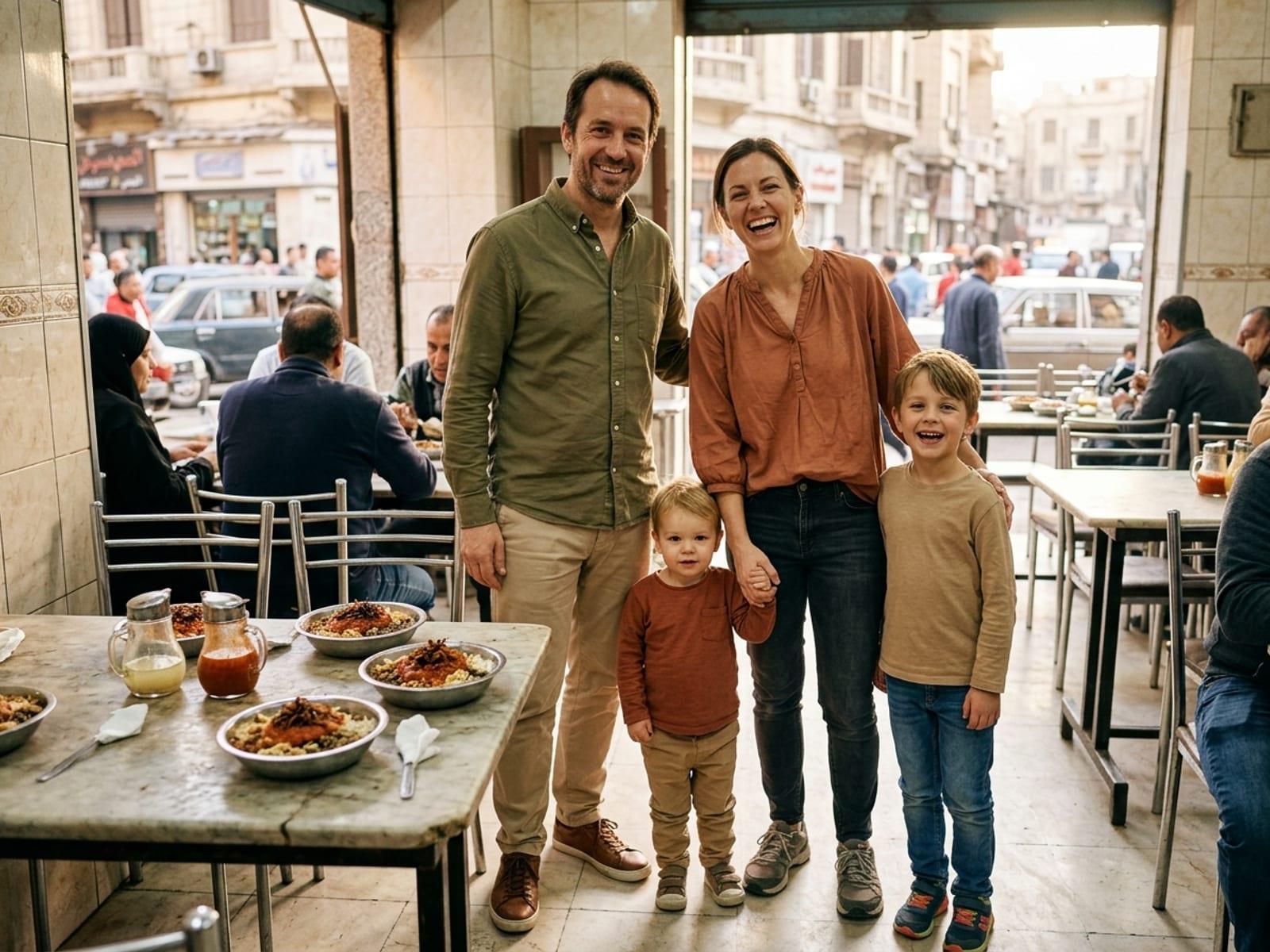
A bed of rice layered with lentils, macaroni and thin noodles, then topped with a tangy tomato sauce, garlicky vinegar and crisp fried onions. Koshary is everyday food in Egypt, often called the national dish. In 2025 it was added to UNESCO's list of Intangible Cultural Heritage as "Koshary, daily life dish and practices associated with it." It contains no meat, which makes it easy to share even for families with dietary restrictions.
Cheap ingredients, layered into a worker's lunch
Koshary is made from rice, brown or black lentils, macaroni, vermicelli, tomato sauce, vegetable oil, onions, cumin and coriander, all of them inexpensive. Chickpeas, a garlicky tomato sauce, garlic vinegar and fried onions go on top, with hot sauce added to taste.
The dish is thought to date back to around the 19th century; in 1853 the explorer Richard Burton noted a koshary of lentils and rice as a breakfast eaten in Suez. It was first sold from pushcarts and later moved into shops. Cheap and filling, it's said to have spread as a meal for working people. Where the name koshary comes from is unclear. Some link it to an ancient Egyptian word, but there's little to support that.
Traditional koshary has no animal products, and if it's fried in vegetable oil it's fully vegetarian. Being able to share the same dish with people who don't eat meat or who follow religious dietary rules is one of its great strengths. Alexandria has its own version, made with yellow lentils and rice colored and seasoned with spices such as cumin, and served with eggs that are boiled and then fried.
What UNESCO recognized is how people eat it
UNESCO's inscription honors less the recipe than the everyday life around koshary. It's cooked at home and sold in restaurants and from street carts, with shops and carts clustering near schools and in busy places. People of every age, gender and background eat it, share it with neighbors and friends, and serve it at family gatherings. The know-how has been passed down within families, especially from mothers to daughters.
Koshary was Egypt's eleventh element on UNESCO's Intangible Cultural Heritage lists, and the first Egyptian dish to be inscribed.
Another reason given for the inscription is the number of people involved in the dish's culture: shop staff, street vendors, the farmers who grow the ingredients, and the craftspeople who build and decorate the carts. It's a nice thought that when you eat a plate of koshary at a street-corner shop, you become part of that picture too.
Finish it your way with vinegar and hot sauce
The basic plate looks much the same everywhere: rice, lentils and pasta, with tomato sauce and fried onions on top. How much vinegar, garlic or hot sauce you add from there is up to you. UNESCO's description also names adding condiments to taste as a feature of the dish. How you order and how you pick a bowl size differ from shop to shop, so if you're unsure, just copy the customers around you or follow the staff's lead.
The vinegar can be sharper than you expect, and the hot sauce can be very hot. Add a little at a time and taste as you go. Serve the children's portion before anything goes on it and let them eat it with just the tomato sauce and fried onions; it ends up close to a familiar tomato rice. Portions are big, so sharing one plate as a family to start with is a sensible move.
Eating koshary with kids
Koshary arrives hot, which is reassuring when you want to stick to cooked food on a trip. Even so, to keep everyone's stomach happy, the basic rule is to choose a busy place with plenty of turnover. Carry bottled water, and go easy on any raw vegetable sides until you see how everyone's doing.
The macaroni and noodles are wheat, so children with a wheat allergy can't eat it. You can't always tell whether hot sauce has gone in by looking, so have an adult taste before you dish up a child's share. Seats fill up at the lunchtime rush, so going a little earlier or later lets you eat calmly, even with kids.
There's something to look forward to afterward, too. Sweet shops often sit near koshary places, and finishing with cold rice pudding (roz bel laban) is the very Egyptian sequence that the UNESCO description mentions. After vinegar and chili, the mild sweetness of milk and rice is welcome, and it can rescue a child who's close to tears over the heat.
There's no dress code, but tomato sauce and vinegar can splash, so clothes in colors that hide stains are a safe bet. Walking around Cairo, outfits that cover shoulders and knees help you fit in.
You can see how a family photo around bowls of koshary might turn out with pokesta's AI photos ($1 per photo, and your first one is free).
Making it together back home
Recreating koshary at home after the trip gives children a chance to taste Egypt again. You'll need rice, lentils, macaroni, thin noodles, onions, tomatoes, garlic, vinegar and cumin. Hardly anything is hard to find.
Roughly, there are four steps. First, simmer the lentils until soft, and fry the thin noodles in oil until golden before cooking them with the rice. Second, boil the macaroni separately. Third, cook down tomatoes with garlic and cumin into a sauce sharpened with a little vinegar. Finally, fry thinly sliced onions slowly until deep brown. Layer the rice, lentils and pasta in a bowl, add the sauce and fried onions, and it's done.
The fried onions take the longest, but they're what give koshary its toasty flavor. If an adult slices the onions and the children assemble the bowls, even little ones can join in. Some regions add a boiled egg or use yellow lentils, and the way every household does it a little differently is part of koshary's character. Think back to the plate you ate in Cairo and work out your own family's version.
Where and when to eat it in Cairo
You can eat koshary all year, all over Cairo. The easiest places for visitors are the specialist shops along the main streets of Downtown Cairo, home of its historic cafés, and the old city. It makes a good lunch, including a late one after the Pyramids of Giza. For breakfast, try the fava bean dishes ful and ta'ameya too.
Cairo's gateway is Cairo International Airport (CAI), about 15 km northeast of the city. Prices and opening hours can change, so check before you go. Entry requirements and safety information for Egypt vary by nationality, so check your own government's official information before you leave.
References