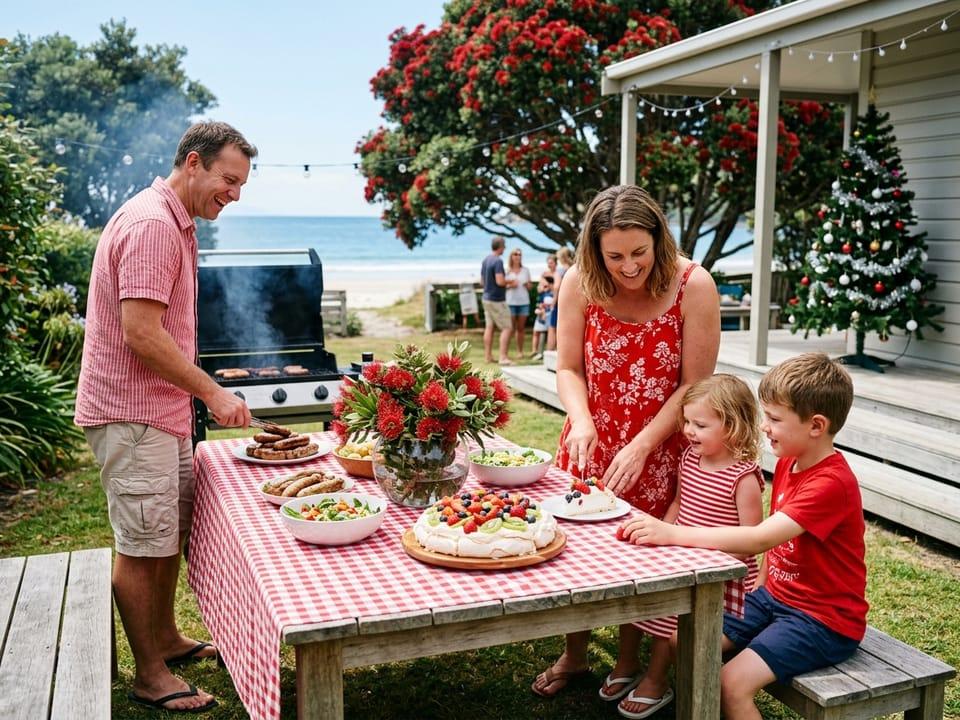
With daylight saving running from 27 September 2026 to 4 April 2027, the sun sets between about 8:24pm and 9:30pm in New Zealand's main cities through December and January, so golden hour lands right on a toddler's bedtime. Plunket suggests a bedtime between 6:30 and 7pm for one- to two-year-olds. There are two good fixes: ask the photographer to start about two hours before sunset, or move the shoot to the early morning. Either way, shift the afternoon nap, give dinner first and pack pyjamas for the drive home.
Why golden hour and bedtime collide in a Kiwi summer
New Zealand's clocks go forward at 2am on the last Sunday in September and back at 3am on the first Sunday in April. Daylight saving pushes summer sunsets late, and the further south you are, the later they get. These are the U.S. Naval Observatory's figures for this summer:
| City |
Sunset 1 Dec 2026 |
Sunset 25 Dec 2026 |
Sunset 15 Jan 2027 |
| Auckland |
8:24pm |
8:41pm |
8:42pm |
| Wellington |
8:37pm |
8:55pm |
8:55pm |
| Christchurch |
8:53pm |
9:12pm |
9:10pm |
| Dunedin |
9:10pm |
9:30pm |
9:27pm |
A classic golden-hour booking starts about an hour before sunset, which in Christchurch at Christmas means just after 8pm. Plunket's sample routine for a toddler has the bath at about 6:15pm and sleep at 7pm, and it notes that toddlers have their deepest sleep between 8pm and midnight. A shoot in that window asks a small child to smile for a stranger at the very time their body expects to be asleep.
Ask for an earlier start, or a morning
Raise the start time when you book, not on the day. Starting about two hours before sunset, around 6:40pm in Auckland in late December, gets most of a session done before bedtime, and the light is already lower and warmer than at midday. Because the sun is still fairly high at that hour, ask for a spot with open shade, trees or a building to soften it.
Also ask whether the photographer offers morning sessions. In Auckland the sun rises at about 6am through December, and the first couple of hours after sunrise give gentle light and cooler air. That's well before the 10am to 4pm window SunSmart singles out for sun protection, and plenty of toddlers are at their brightest after breakfast. If a photographer only shoots at sunset, that's useful to know before you pay a deposit.
On the day: move the nap, feed early, pack the pyjamas
Plunket's sample day for a toddler on one nap has them asleep from about 1pm to 3pm, and it warns that a nap that's too late or too long can push bedtime back. On shoot day, that is what you want, within reason. Plunket also notes that when the main nap is early or short, a rest or catnap later in the day can help a toddler last until bedtime without becoming overtired. A short sleep in the car on the way to the location can do the same job.
Give dinner before you leave, not afterwards, and put the outfit on at the last moment so it stays clean. Pack pyjamas, a drink, a snack that won't stain and a favourite toy, so your child can be changed and asleep in the car seat on the way home. Plunket's early signs of tiredness include grizzling, clumsiness, clinginess and fussiness with food. When they appear, tell the photographer which single shot you most want, take it, and call it a night.
Heat, sun and wind: plan for all three
Even at 6:30pm a December day can still be hot. SunSmart advises protection outdoors from September to April, and NIWA says New Zealand's summer UV Index generally peaks at about 12, a level it classes as extreme. Keep hats and sunscreen on until the photographer is ready, and bring water for everyone.
Beaches and open hilltops make the prettiest backdrops, and they're also where the wind finds you. Check the MetService forecast for wind as well as rain the day before. Tie back long hair, skip floaty fabric that whips around little legs, and bring a light layer for when the sun drops. Ask what the photographer's weather policy covers, and whether strong wind counts as a reason to reschedule.
Studio, sunset location or your own phone
A studio avoids the clash altogether: you can book a mid-morning slot that fits the nap, there's no wind or UV, and a crying child can take a break without losing the light. You give up the beach and the evening glow. An outdoor photographer gives you the setting and someone who knows how to coax smiles from toddlers, but the timing compromise above comes with it, and bad weather means a new date. Doing it yourself is the most flexible: ten minutes in the garden after dinner, on whichever night your toddler is in a good mood, and you can stop the moment it isn't working. Our guide to summer Christmas photos in New Zealand covers that approach, and this outdoor first birthday guide has ideas for keeping little ones happy on a rug outdoors.
A photographer is worth paying for when the location matters, when grandparents are visiting for a short time, or when you want a large print. If the main goal is a lovely photo of a small child, an earlier, shorter session beats a perfect sunset with an exhausted toddler.
When tonight's light isn't going to happen
Sometimes the wind won't drop or the toddler simply isn't up for it. pokesta can make a summer Christmas family photo with AI from pictures already on your phone; it's $1 per photo and the first one is free. It won't capture a real evening at the beach, since it's an image the AI creates, but it gives you something to send the grandparents while you wait for a better night. Make a free one from a recent photo of your child.
References