When Newborn Session Plans Change: Early or Late Arrivals, Jaundice and NICU Stays

pokesta Editorial Team · Updated October 26, 2026

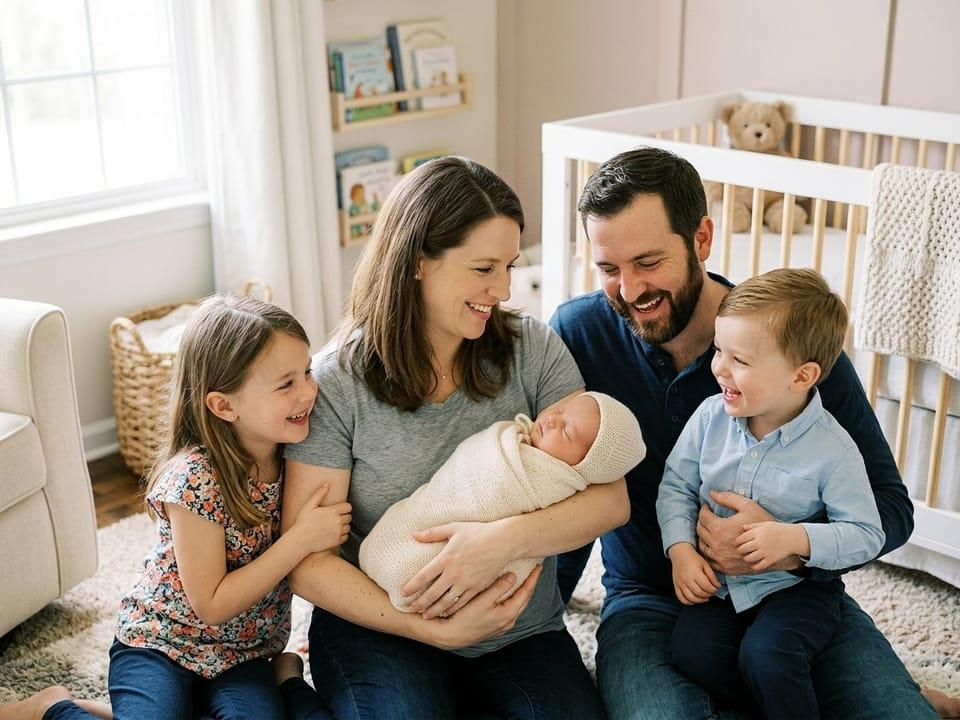
Newborn Photos family photo (AI-generated image)

A newborn booking is made against a due date, not a fixed day, so photographers expect babies to arrive early or late. HRM Photography in London, Ontario, for example, pencils families in for their due date and keeps a few dates open in the weeks around it. Message your photographer on the day the baby is born, put the baby's health ahead of the session, and if jaundice or a hospital stay pushes things back, switch to a later in-home session. That's a normal alternative, not a consolation prize.

Due-date bookings are designed to move

The posed, sleepy newborn session has a short window, and photographers plan around it. HRM photographs studio newborns at 5 to 14 days old and suggests booking three to four months ahead. Kelly Clancy in Oakville, Ontario, photographs newborns within the first 5 to 15 days and asks you to add your due date when you pay the retainer. In both cases, the exact day is set after the birth.

What doesn't move as easily is money. Kelly Clancy's $200 retainer is non-refundable, with the rest of the $795 session fee, which includes tax, due two days before the session, as of October 2026. Non-refundable doesn't have to mean lost when the date moves, but whether it carries over is for the contract to say, not for you to assume. Terms differ by photographer and change over time, so read the current version on their site. Before you pay anything, get written answers to these:

  • Does the retainer carry over if the baby is early, late or unwell?
  • How soon after the birth should you get in touch, and how?
  • What happens if the baby is past the studio age window by the time you're ready?
  • Can an in-home lifestyle session replace the studio one, and does the price change?
  • If the birth parent is recovering from a caesarean birth, can the photographer come to you?

Jaundice is common, and the doctor sets the pace

Jaundice is very common in newborns. Caring for Kids, from the Canadian Paediatric Society, says you may notice it between 1 and 4 days after birth and that most of the time it goes away on its own. When treatment is needed, it's phototherapy, a special blue light on the skin, usually given in hospital, though some babies can be treated at home. Babies born before 38 weeks or weighing under 2,500 g need closer attention, and frequent feeding helps prevent it.

None of this is a photography decision. If your baby is having phototherapy or repeat bilirubin tests during your session week, tell the photographer and ask to move the date. The CPS lists signs that mean you should call your doctor: a baby who refuses feeds, is very sleepy, has lost more than 10% of their birth weight, has yellow or orange arms and legs, or whose jaundice seems to be getting worse. A session can always wait a week. If a slightly yellow tone is still there on the day and it bothers you, ask the photographer how they handle skin tones in editing.

NICU stays: ask the unit before you invite anyone

If your baby is in neonatal intensive care, the care team and the unit's rules come first. Rules differ by hospital. At SickKids in Toronto, visitors are asked not to take photos or video of other patients or their families, to ask permission before photographing staff, and to post nothing online without consent. Up to two family caregivers are welcome at a NICU bedside at a time, which leaves little room for an outside photographer. Ask the nurses what's allowed before you book anyone.

Your own phone is often the right camera here. Close-ups of a hand around your finger, tiny feet, and a parent's face looking down will mean a great deal later. Our guide to hospital-room photos without a photographer has ideas that work in tight spaces.

Studio later, lifestyle at home, or your own photos for now

Studio posed session In-home lifestyle session Your own phone
Best timing First two weeks or so Weeks two to six, often later Any day, hospital included
If plans change Tight window, may convert Easy to move Nothing to move
Baby's health Needs a settled, feeding baby Works around your routine No pressure
Result Curled-up sleepy poses, props Real moments with the family Close-ups and window light
Suits Families set on classic posed shots Late arrivals, recovery, siblings The in-between weeks

A professional earns the fee for the classic posed images. A newborn specialist knows safe positioning and has the patience to settle a baby into those curled-up shapes, and HRM notes that babies past two weeks become much harder to pose in peaceful, sleepy shots. If those are the photos you want and your baby is healthy within the window, keep the studio booking.

If the window has passed, it isn't over. HRM says there's really no age limit for lifestyle sessions, which focus on how your family looks at home rather than on sleepy poses. Our guide to when to take newborn photos explains what changes after two weeks, and lifestyle newborn photos at home shows what that kind of session looks like.

Fill the waiting weeks with your own pictures

Whatever happens with the booking, take photos every few days on your phone, near a window, with the same blanket. Get the hands, the feet and the sleeping face, with a parent's hand in the frame, and keep the angle the same so the weeks line up later. And if one parent was in recovery or the baby was in hospital when the family could have been together, pokesta can make a newborn family portrait with AI from phone photos you already have of each person. It's an image the AI creates, not a record of that week. Each photo is $1 and the first is free, so try it with a recent photo of your baby while you wait for a new session date.

References