Is Flash Safe for Newborn Photos? What an Eye Doctor Says, Which Poses Need a Composite, and Safe Shots at Home

pokesta Editorial Team · Updated October 29, 2026

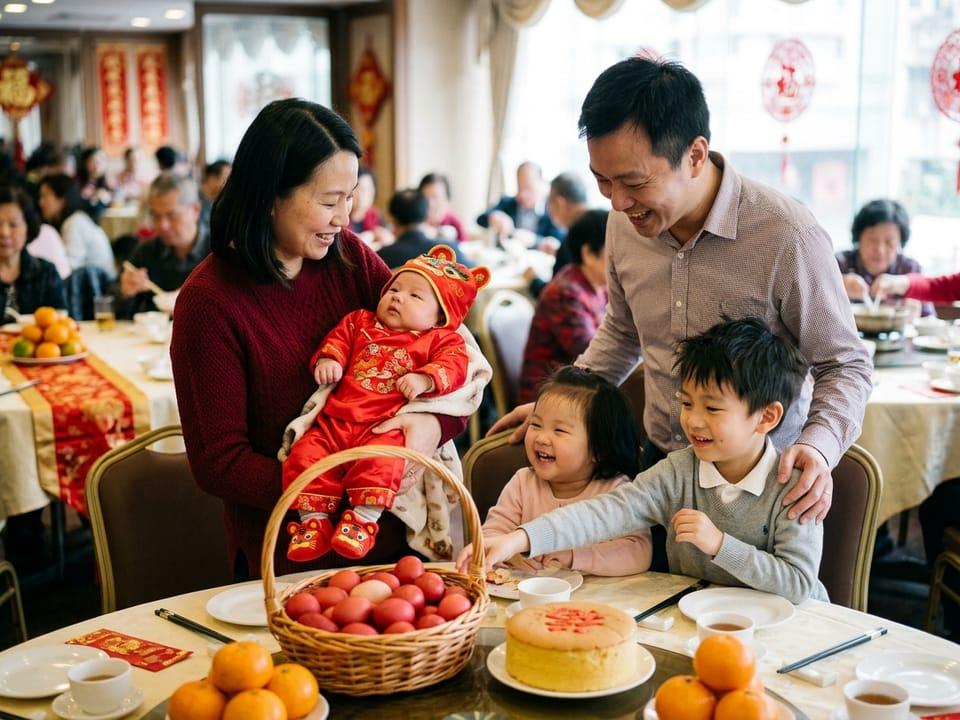
Full Month Celebration family photo (AI-generated image)

There's no evidence that a camera flash damages a newborn's eyes: when a parent asked the American Academy of Ophthalmology, its ophthalmologist answered simply "No." The poses are the real risk. The froggy pose with the chin propped on the hands, or a baby who seems to float or sit upright, should be shot in parts with an assistant supporting the baby and merged in editing, because a newborn whose head drops can block their own airway; a room that's too cold or too hot and fabric or cushions near the nose and mouth are the other two hazards. At home, the safe setup is daylight from a window, a smooth cloth on a padded floor, and a baby lying on their back or held in your arms.

If you're booking a newborn session (新生儿照) in China, asking the photographer about poses, room temperature and suffocation will do far more for your baby than worrying about the flash.

Flash hasn't been shown to harm eyes, but soft light looks better anyway

The idea that a flash will "blind" a baby circulates widely. In 2012 a parent asked the AAO's Ask an Ophthalmologist service whether numerous camera flashes harm a baby's eyes. Dr. Richard Bensinger replied that there is no proven damage from this source.

Flash photos can actually be useful. In December 2025 the AAO reminded parents that a white, yellow or opaque reflection in a child's pupil in a flash photo can signal more than 20 eye conditions, including retinoblastoma and cataracts. Ordinary red-eye is normal; if the glow shows up twice in the same eye, take the photos to an eye doctor.

Still, "not harmful" doesn't mean "necessary." A flash fired straight at the face can startle a sleeping baby awake, and the light it gives is flat. Professionals tend to use softboxes or bounce light off a wall, and at home, daylight from a window is all you need.

Froggy and chin-on-hands poses belong in the edit, not on the set

The poses are where the danger lies. The "froggy" pose (青蛙趴), with the baby lying on their front and chin propped on their hands, looks as if the baby is holding up their own head. Photographer Rebecca Danzenbaker writes in Click Magazine that this pose should always be a composite for safety: an assistant supports the baby, two frames are taken and merged into one. A Scripps station's report likewise notes that many of the unusual poses newborn photographers achieve are done in Photoshop, and the photographer it interviewed describes someone holding the baby under the chin, usually by the wrists.

Why not do them for real? Dr. Susan Hwang, a neonatologist at Children's Hospital Colorado, explains that babies are at risk of blocking their airway if their head drops. A newborn can't reposition themselves or wriggle free when something is wrong.

So whenever a picture shows a baby who seems to float, rest their chin on their hands or sit upright, ask: is this a composite, and was someone supporting the baby the whole time?

Suffocation and falls: cushions, fabric and high surfaces

The second set of risks comes from what surrounds the baby. Wraps, blankets and little pillows are staples of newborn sessions, and the American Academy of Pediatrics warns that soft objects and loose bedding raise the risk of entrapment, suffocation and strangulation. That's manageable while an adult is watching closely, but once the baby falls asleep, move them onto a firm, flat surface with nothing around them, on their back.

Height is the other hazard. A baby in a basket, on a table or near the arm of a sofa needs an adult within arm's reach at all times; Dr. Hwang stresses making sure the baby can't roll off. At home, the simplest solution is to shoot on a padded floor.

Temperature: warm for unclothed shots, careful once wrapped and asleep

Newborns aren't good at regulating their temperature, and an unclothed baby cools quickly. Danzenbaker writes that she keeps the room around 80°F (about 27°C) for newborn sessions: warm, but not overbearing. On the other side, the AAP warns that overheating raises the risk of SIDS. A baby needs only one more layer than an adult, sweating, a hot chest or flushed skin are signs of overheating, and once you're home from the hospital, hats shouldn't be worn indoors.

The way to respect both is to warm the room only for the few minutes of unclothed shots, then dress the baby and bring the room back to normal. Wraps, blankets and a tiger-head hat (虎头帽) are for a few frames, then off they come.

Questions to ask the photographer before you book

You can ask all of these when you enquire. A careful photographer won't mind:

  • Are chin-on-hands or hanging poses composites, and will an assistant support the baby throughout?
  • What temperature will the room be, and what happens if the baby falls asleep?
  • Will you wash your hands on arrival, how are wraps and props cleaned, and will you reschedule if you or your assistant are unwell?
  • How will you light the baby, and will you fire a flash straight at their face?

For comparing prices, see what newborn home-visit photographers cost. If you decide to shoot it yourself, window light, a smooth cloth and a baby lying on their back or held in your arms will give you lovely pictures; 100-day baby photos at home shows the setup step by step.

If you'd rather not pose the baby at all, start with AI

Some parents read all this and decide they don't want their baby posed in any way. In that case, pokesta can turn ordinary phone photos of each family member into a full month family portrait with AI, while the baby stays in the cot. It's $1 per photo, and the first photo is free. The result is a newly generated image, not a record of the day, which makes it a gentle way to fill in the shot you'd never try in real life. Try one free with a recent photo of your baby.

References