When Your Teen Won't Pose for the Geslaagd Photo: Family Pictures a 17-Year-Old Will Agree To
pokesta Editorial Team · Updated November 7, 2026
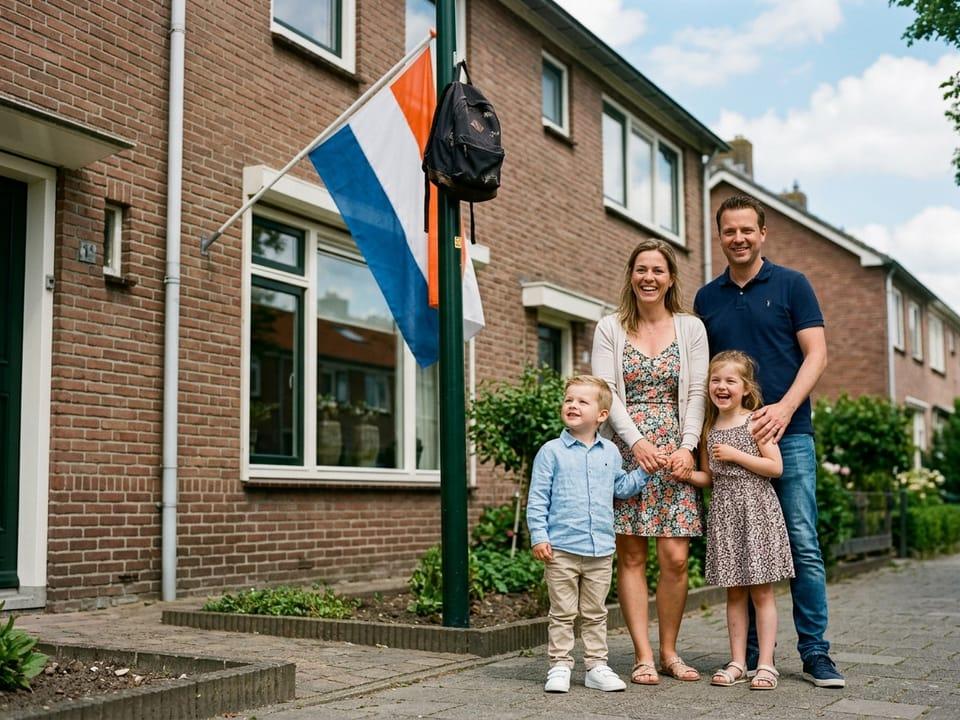
Most teenagers who refuse the geslaagd photo aren't refusing the celebration. They object to how they'll look, where the picture will end up and who is directing it. Agree beforehand on a short time and a fixed number of shots, let them decide whether and where the photo is shared, and let them choose the one that goes to the grandparents. That usually gets you one family photo under the flag and the school bag without an argument on what should be a good day.
Why the camera feels different at seventeen
The Netherlands Youth Institute (NJi), in its guidance for parents of teenagers, describes how young people at this age compare themselves with others while working out who they are, and how the reactions of their peers act as feedback on what they show of themselves to the outside world. It also notes that privacy becomes steadily more important to them.
Put that next to a parent with a phone on the doorstep. A photo shared in a family group chat can be forwarded, end up on a cousin's feed, and be seen by exactly the classmates whose opinion matters most. Add being told where to stand and when to smile, at an age when deciding things for yourself matters a great deal, and the refusal makes sense. There's also plain exhaustion: weeks of exams, a nerve-racking wait for the phone call, and friends already texting about where to meet.
Make the deal before the phone rings
The easiest time to agree on photos is a calm evening before results day, not the moment the flag goes up. Be specific: two minutes, three shots, then they're free to go. Name the pictures you'd like, for example one of the whole family under the flag and one of them alone with the bag, and accept that the second may be a no.
Choose a moment that doesn't cost them anything. Straight after the call, before they leave to meet friends, works for some; the next morning, when they've slept and the flag is still up, works better for others. Let them wear what they want. Matching outfits or a "nice shirt" turn a quick photo into a negotiation.
Then keep to the deal. If you said three shots, stop at three, even if none is perfect. A promise kept this time is what makes the diploma ceremony a few weeks later easier; our piece on diploma ceremony photos covers that day.
Let them decide where the photo goes
Ask before sharing anything, and offer real options: the family album only, a private message to the grandparents, or a post on your own social media. Let them pick. Let them choose which of the three shots is used, and delete the ones they hate while they watch.
There's a legal side to this in the Netherlands, though it's not something to bring up at the kitchen table. Dutch portrait law, the portretrecht in the Copyright Act, treats putting a photo online as publishing it, and the person pictured can object if they have a reasonable interest. The details are for lawyers; at home, the useful takeaway is simply that the person in the picture gets a say.
Leave the friends' photos to them
Your teen will take dozens of pictures with friends that day: in the park, at someone's party, perhaps wrapped in the flag with the school logo that some schools now give their leavers. Those pictures belong to them. Don't ask to see them, and don't repost anything you happen to be sent. If they want to share one with the family, they will, and it means more when it's offered.
It's fine to ask, a few days later, whether you could have one of those photos for the family album. Asking once, without pressure, is usually enough.
Fewer, better pictures
Some approaches make the photo less of a pose. Let them hang the bag on the flagpole themselves while you photograph the doing rather than the standing. Take a few frames while everyone is chatting on the doorstep, before anyone says "look here". Burst mode catches a natural expression better than a countdown. Hold the phone at their eye level; shots from below rarely flatter anyone.
If they would rather not be in the middle, let them stand at the edge. A photo from behind of them looking up at the flag, with the bag hanging above, tells the story without a face if that's what they prefer. One good photo they're happy with is worth more than ten they asked you to delete.
A family portrait without another photo session
Sometimes the doorstep photo doesn't happen, or your teen simply doesn't want to stand there again a week later when the grandparents visit. pokesta can build a geslaagd family portrait with AI from photos that already exist on everyone's phones, so nobody has to pose again. It's a generated image, not a record of that afternoon, and the same rule applies as with any photo: show it to your teen before it goes anywhere. It costs $1 per photo and the first one is free, so try it with a recent photo they've already approved.