
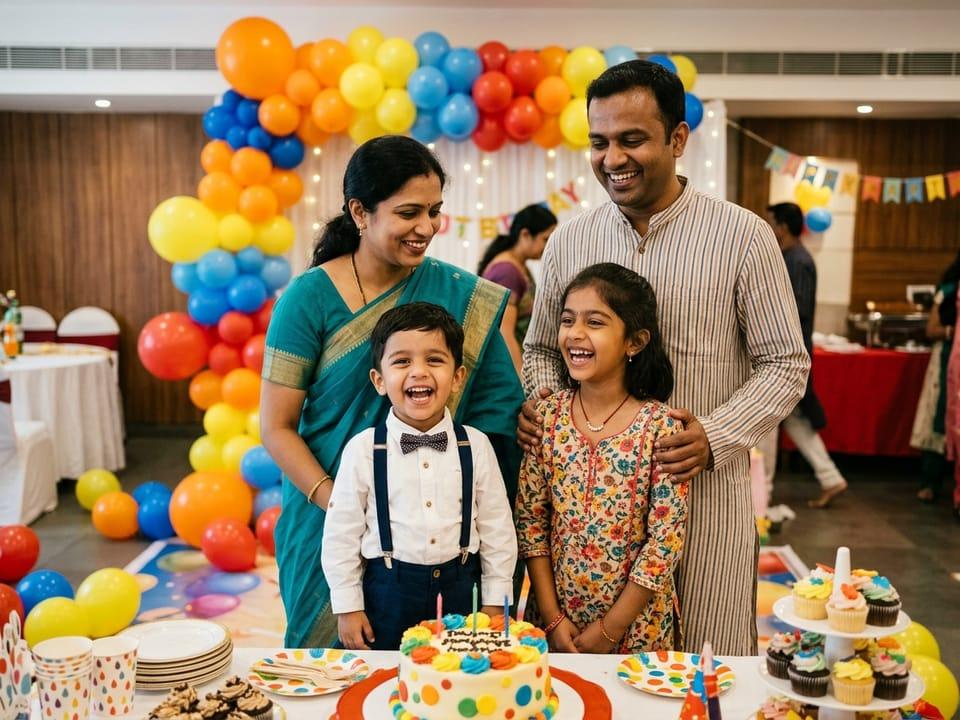
A one-year-old who cries through their own cake cutting is usually doing one of three things: fighting sleep, protesting at being passed between unfamiliar adults, or reacting to sudden noise. An evening party in a banquet hall can stack all three, especially when the cake waits until the last guests arrive. The fix is mostly timing. Protect the afternoon nap, cut the cake and take the family photos within the first 30 to 45 minutes, put a time limit on stage photos, and keep a quiet room close by.
Sleep, strangers and sound are the usual reasons
The US Centers for Disease Control and Prevention (CDC) lists being "shy, clingy, or fearful around strangers" among the normal social milestones by nine months. A baby who smiled at everyone at six months may now cling to one parent and wail when a well-meaning aunt reaches out. At a first birthday the guest list often includes dozens of relatives the baby rarely sees, and each of them wants a cuddle and a picture.
Sleep is the second trigger. A party that opens at 7 p.m. and only gets to the cake at 9:30 is likely to run straight into your baby's bedtime, and an overtired baby cries at things that wouldn't bother them at noon. Sound is the third. Balloons pop without warning, and DJ speakers in an enclosed hall are loud. The World Health Organization's safe-listening advice for loud venues is to keep away from loudspeakers and to rest your ears in a quiet space for 10 minutes after every hour. That guidance is written for adults, but it's a good reason to keep the baby's chair and the stage well back from the speakers.
Don't count on a 10 p.m. cut-off to quiet things down, either. India's Noise Pollution (Regulation and Control) Rules, 2000 bar loudspeakers and public address systems between 10 p.m. and 6 a.m., but they exempt closed premises such as auditoria, community halls and banquet halls. Whether the music stops is up to the venue, and to you.
Cut the cake in the first 45 minutes, not after the last guest
The biggest single change is moving the cake cutting forward. Put the time on the invitation ("cake cutting at 7:30 p.m.") so latecomers know they'll miss it, and tell close family that it won't wait for anyone. Here is one way a 7 p.m. party could run:
- Afternoon: a proper nap at home, finished by about 5 p.m., rather than a doze in the car
- 6:15 p.m.: arrive, dress the baby last, and take family portraits on the empty stage
- 7:00 p.m.: doors open; the baby stays with one parent or a familiar grandparent
- 7:30 p.m.: cake cutting with the music paused, then 30 minutes of stage photos
- From about 8:15 p.m.: the baby goes to the quiet room and the party carries on
Those empty-stage portraits matter more than they look. The decorations are fresh, the baby has just woken up, and nobody is waiting in line. If the evening falls apart later, the photo you most wanted is already taken.
Ask the venue for a side room or green room with a sofa and a door that shuts. Bring the baby's own blanket, a feed and a white-noise app, and decide in advance who takes the baby there. Ask the DJ to start at a low volume and to pause during the cake cutting. Tie balloons up out of reach, and skip balloon-popping games and party poppers anywhere near the stage.