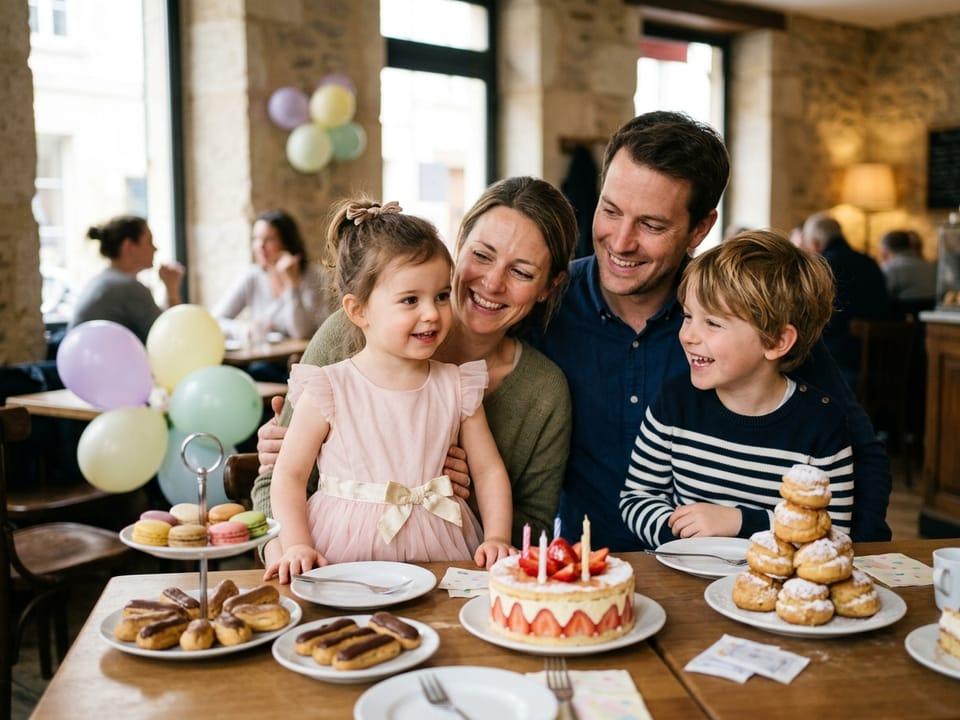
A one-year-old who stares at the photographer without a flicker of a smile is behaving normally. Wariness of strangers usually starts at around 8 to 9 months, and the MSD Manual notes that children between 8 and 18 months are often frightened by new faces and new places. A first-birthday shoot puts both in front of them at once. You can't order a smile, but you can book the hour your child is most likely to give one, keep a parent in the frame, and agree with the photographer in advance on what happens if the session has to stop.
A blank stare is a stage of development, not a bad day
The MSD Manual describes stranger anxiety as starting at around 8 or 9 months: a baby may cry as soon as an unfamiliar person comes close, and the tears normally stop before the age of two. How strong it is, and how long it lasts, varies a great deal from one child to the next. At twelve months, the photographer is a stranger and the studio is a new place, so a frown is the expected reaction rather than a sign that something has gone wrong.
Other things pile on top. A tooth on its way, a short night, a missed nap or a long drive can turn wariness into tears. You can't fix any of these on the day, so the useful work happens when you choose the slot. If your child is actually unwell or has a rash, that's a different question, covered in our guide to postponing a photoshoot when your baby is ill.
Book the hour after the nap, and let the photographer become familiar
Pick the slot that starts after your child's main nap and a meal, not one that cuts across nap time. Count the journey too: a forty-minute drive can mean your baby dozes off in the car seat and arrives groggy. Get there a little early so your child can crawl around the floor while the photographer talks to you, rather than meeting them face to face straight away. Watching a stranger chat calmly with you for a few minutes gives your child time to size them up from a safe distance.
Start with your child on your lap. Vincent Claire, a photographer in Seine-et-Marne, says shy children are more common than people think, that he works at the child's pace and never forces them to touch the cake, and that parents and siblings are welcome in the photos in all three of his packages. A familiar face beside the baby makes the first shots easier, and those pictures with you in them are often the ones you'll keep. Bring the toy your child reaches for at home, a snack, and spare clothes for yourselves as well.
Before paying the deposit, ask what happens if the session stops
Photographers' terms vary, so read them before you book. As of October 2026, here are three published examples:
- Vincent Claire: if the child is ill, the deposit is kept and moved to another date or another session later.
- Jérôme Jourdain (Dordogne): a €50 deposit, described as non-refundable; cancel at least 48 hours ahead and it becomes credit for a future shoot, otherwise it is lost.
- Reportage Photos (Nice): a 40% deposit; cancellations need at least ten working days' notice and the deposit isn't refunded, and a session is postponed only where the booking allows it and both sides agree.
None of these pages says what happens when a healthy baby simply cries for an hour. Ask by email whether you can pause and pick up again within the same slot, whether a short second visit is possible, and what the fee actually buys: the time, or a set number of edited photos. Terms change, so check each photographer's current conditions.
Studio, photographer at home, or your own phone
|
Studio |
Photographer at home |
You, with a phone |
| Cost |
Fixed package, deposit up front |
Similar package, travel sometimes included |
Nothing extra |
| A wary baby |
New place adds to the strangeness |
Familiar room, own cot for a nap |
No stranger at all |
| Moving the date |
Depends on the deposit terms |
Depends on the deposit terms |
Try again tomorrow |
| Result |
Set and light ready |
Depends on your windows |
Simple, and you're rarely in it |
A professional earns the fee when you want everyone in the picture, a proper set and edited files, or when grandparents are coming specially. If the main goal is one good portrait of your child, a calm hour at home can do better than a rushed one in a studio.
Where to draw the line on the day
If crying starts, stop the session and pick your child up. Feed them, step outside, show them the window. Give it ten minutes in your arms before deciding anything; a photographer used to one-year-olds should allow for that kind of break.
A serious face is still a birthday photo. Vincent Claire points out that some children dive both hands into the cake and others only look at it from a distance; the family pictures, the portraits and the bath still count. A baby gazing at the candles with a stern little frown often says more about that age than a forced grin.
If nothing works after the break, end it. Put the same outfit back on a week later, sit your child by a big window at home, and take the photo yourself while someone plays peekaboo behind you. Then you can think about the cake again, starting with what a smash the cake package actually includes.
If the studio day doesn't work, there's still a portrait to try
Some families would rather not stake the whole birthday on one afternoon. pokesta can turn everyday phone photos of each family member into a first-birthday family portrait with AI. It's a generated picture, not a record of the day, so treat it as a keepsake rather than a substitute for the party photos. It's $1 per photo and the first one is free: try it with a recent photo of your child before you put down a deposit.
References